Leaves change color during the autumn because the amounts of pigments change as the leaves prepare to fall from the trees. Once the tree survives the winter it sprouts leaves anew and the cycle continues.

Why Do Leaves Change Color In The Autumn From Science Bob S Blog Fall Science Plant Science Preschool Science
Darker red leaves are the result of a chemical change.

. In the loss because of the changes in daylight as well as the adjustments in temperature level the leaves quit making food. Leaves contain yellow red and orange pigments that are masked or hidden by large amounts of. A chemical adjustment is always gone along with by adjustments in physical residential properties as well as the chemical processes occurring in leaves can be seen in the altering colors of autumn.
In the absence of these pigments other plant chemicals also can affect leaf color. Do this with your kids. In general stresses such as drought nutrient deficiency and even diseases can increase the production of red pigments and therefore may improve the color display of autumn leaves.
In autumn cooler temperatures and shorter days tell trees that the growing season is over and its time to stop producing chlorophyll. This is why leaves turn yellow or red in fall. Beside above why do leaves change color in the fall answers.
Is leaves falling a physical change. That is when the oranges and yellows that were covered up reveal themselves. Yes it is a chemical change.
As the chlorophyll degrades and the green color fades leaves turn yellow and orange. You only need some coffee filters and rubbing alcohol. If the carotenoids are also destroyed their color is sometimes.
Sugars that can get trapped in the leaves produce new pigments called anthocyanins that werent part of the leaf in the growing season. A new time-lapse video of the process condenses the transition. The chlorophyll decomposes exposing other pigments in the leaves that reflect other wavelengths of light.
All the colours are visible mixing of varying amounts of the chlorophyll residue and other pigments in the leaf during the fall season. As days shorten the amount of sugar generated by photosynthesis drops off and hormones in the plant trigger the leaf sealing and shedding process. Leaves change color in the fall because they undergo a chemical change.
The combination of remnant chlorophyll and the other pigments creates the many colors seen in autumn leaves. Chlorophyll is the chemical compound responsible for the usual green colouration of most leaves. Unlike the yellow and orange that were covered the darker reds are caused by a chemical change.
Along with the green pigment are yellow to orange pigments carotenes and xanthophyll pigments. The short answer is that plants look green to us because red light is the most useful wavelength for them. In the fall because of changes in length of daylight and change in temperature leaves stop their food-making process chlorophyll breaks down green colour disappears and the yellow-orange colour is more visible.
Without the water the green chlorophyll starts to disappear and the other colors in the leaf and the yellow and the orange can be seen. Leaves look green because the pigment chlorophyll reflects green light. The changing colors of Autumn leaves is a sign that the seasons are changing.
During Summer and Spring leaves serve as foods necessary for the trees growth. This chemical is contained within chloroplasts in the leaf cells and is an essential component of the photosynthesis process via which plants use energy from the sun to convert carbon dioxide and water into sugars. Leaves with carotenoids but little or no anthocyanin will appear yellow.
The time when leaves start changing color is more dependent on light than on temperature so leaves start changing color at about the same time each year. Click here to read the original article. When tree leaves change color in the autumn they are going through chemical modifications.
All leaves gradually lose chlorophyll during the growing season and this loss accelerates before leaf fall. Under optimal conditions this process of chlorophyll loss is very orderly and allows the plants to resorb much of. The pigment that causes leaves to be green is chlorophyll.
Everyone loves the beautiful Autumn colors. MomijiCC BY 30 With the coming of another Autumn with its cooler temperatures and glorious gold orange and red leaves we all marvel at how beautiful the leaves are as they change color from the vibrant greens of. Carotenoids can be orange yellow or red but most of these pigments found in leaves are yellow.
Warm temperatures will also reduce the amount of red pigments produced in leaves. In the trees that dont the carotenoids which include xanthophylls and carotenes are destroyed and tannins in the leaves oxidize to brown before the leaves wither and fall. You might also see vibrant reds and even purples.
When the days get shorter the chlorophyll in the leaves breaks down. The trigger for autumn colour to develop is a combination of day length and night temperature. Often a color is evidence of a chemical change.
As chlorophyll levels begin to fall off the green colors in leaves begin to fade leaving behind the yellow hues of the carotenoids. There isnt a simple chemical equation for leaves changing color because the colors are. Other factors can also affect leaf color change in autumn.
The lack of chlorophyll reveals yellow and orange pigments that were already in the leaves but masked during the warmer months. There is a chemical reaction occurring in the leaves so it should be a chemical change. Trigger for autumn colour.
Leaves with good amounts of both anthocyanins and carotenoids will appear orange. This is accelerated by cold nights but the lower temperatures also act on. Sometimes sugars get trapped in the leaves.
Chlorophyll is important for plants to make food using sunlight. All of the colors the red purple orange and yellows are all results of a chemical process. Why leaves are green in color short.
So leaves dont really change color so much as lose color. When deciduous trees reach this light. No it cant be a physical change because its irreversible.
In fall plants break down and reabsorb chlorophyll letting the colors of other pigments show through. You can clearly see the different colors on the filter. Actually those colors were there all along but they were hidden by the green chlorophyll.
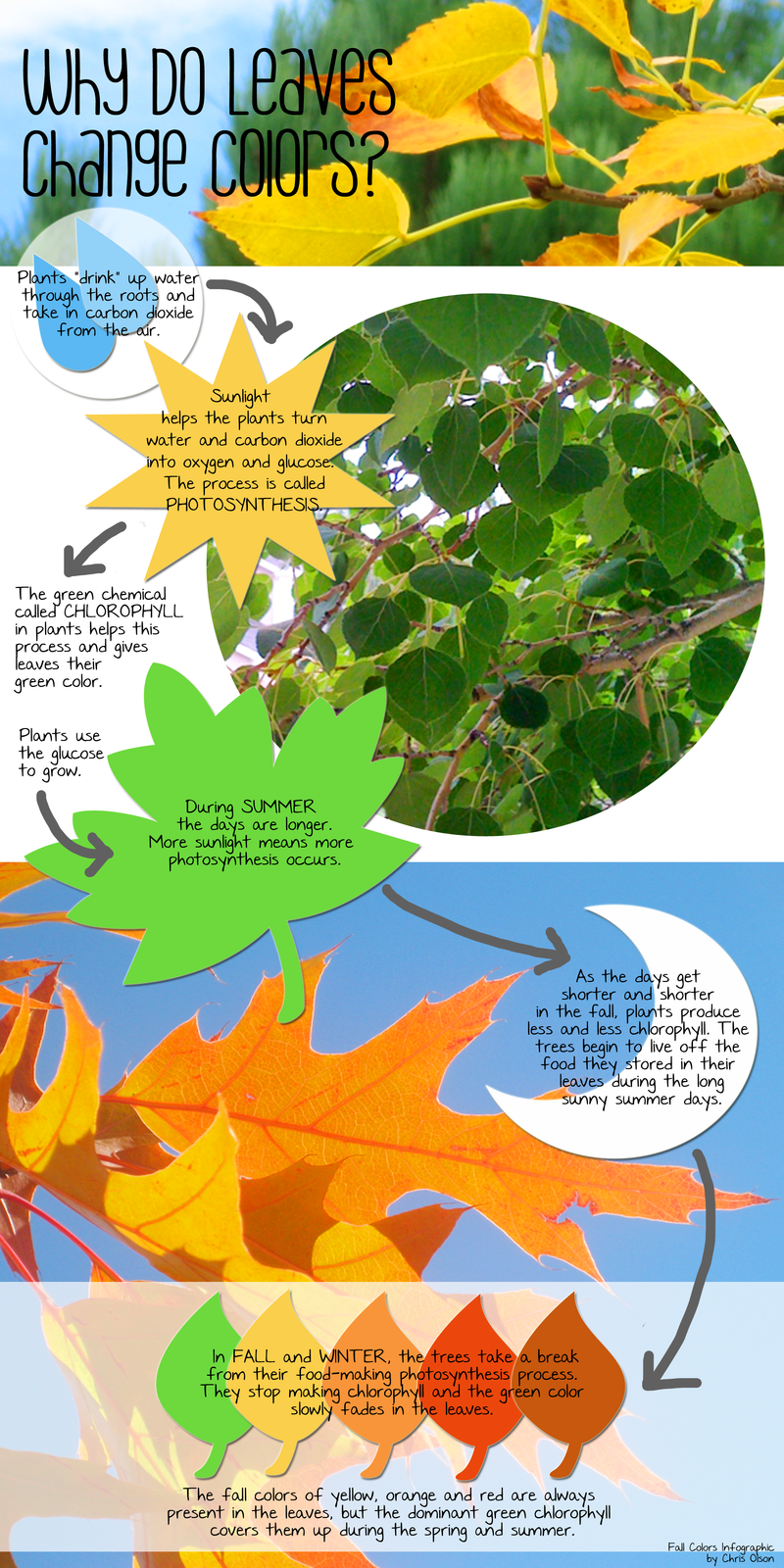
Why Do Leaves Change Colors In Fall Preschool Science Kindergarten Science Homeschool Science

Ask The Master Gardener Changing Leaf Color Autumn Garden Fall Season Autumn Leaves

Photosynthesis Why Leaves Change Color Reading Supports Distance Learning Photosynthesis Photosynthesis Lessons Science Lesson Plans
The Chemicals That Cause Leaves To Change Color In Fall Leaves Changing Color Autumn Leaf Color Leaf Coloring




0 Comments